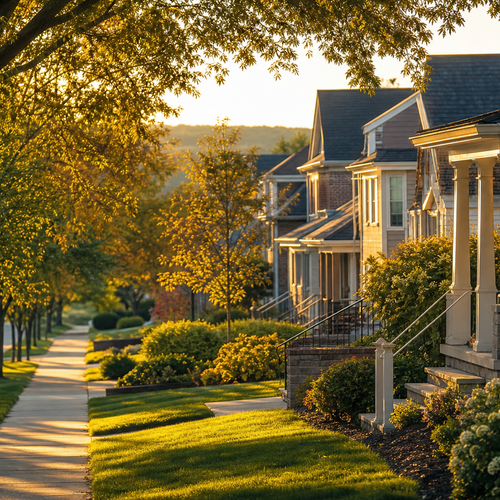
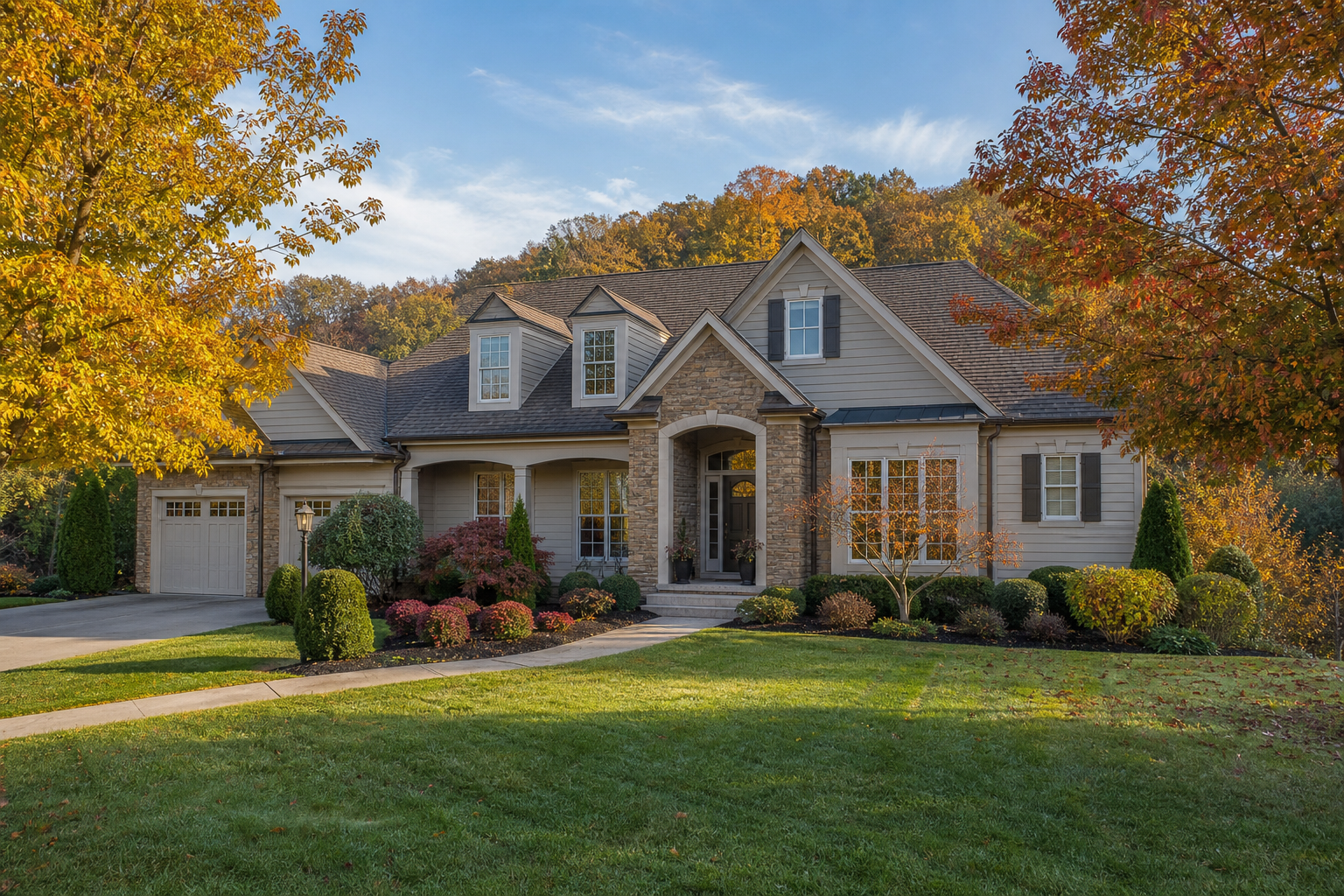
Homeowners in Pittsburgh's northern suburbs can downsize without relocating by choosing condos, townhomes, patio homes, or one-floor single-family homes in the same communities. A contingent sale, rent-back agreement, or staged transition can smooth the timing so you're not caught between two homes.
Can you downsize in Pittsburgh's northern suburbs without leaving the area?
Yes. Pittsburgh's northern suburbs offer a genuine range of low-maintenance housing options, including condos, townhomes, patio homes, and one-floor single-family homes, spread across communities like Cranberry Township, McCandless, Wexford, Hampton, and Shaler. With the right transition strategy, whether a contingent sale, a rent-back arrangement, or a staged move, you can right-size your home without uprooting your life.
Key Takeaways
- Allegheny County's aging population is significant: approximately 27% of residents are age 60 or older, compared with roughly 23% nationally, according to the Allegheny County four-year aging plan.
- Recent local market data shows a median sale price of $377,500 in the Seven Fields area, with homes spending a median of 52 days on market, meaning well-priced properties in this corridor do move.
- Low-maintenance does not automatically mean low-responsibility: a condo trades yard work for HOA fees and association rules, so evaluating the full cost picture matters before you commit.
- A sale-of-home contingency lets you make an offer on a smaller home before your current one sells, but sellers can counter with a kick-out clause, so your negotiating position depends heavily on current inventory and how quickly your home is likely to sell.
- A rent-back agreement, negotiated at closing, can give you extra weeks in your home after the sale closes, reducing the pressure to move twice.
What low-maintenance housing options exist in North Pittsburgh?
More than most people expect. The northern suburbs aren't just large single-family subdivisions. Depending on the community, you'll find condominiums, attached townhomes with private entrances, patio homes with exterior maintenance included in HOA fees, independent-living communities, and single-story detached homes on smaller lots.
Each option involves a different set of trade-offs, and we walk every downsizing client through those trade-offs before they start touring. If you're just starting to think through your options, our free Downsizing and Right-Sizing Guide is a good first step.
Condos and townhomes
Condominiums can significantly reduce exterior maintenance, but before you fall in love with a unit, you'll want to look closely at the association's monthly fees, reserve fund health, any pending special assessments, pet and rental policies, parking situation, and exactly what the HOA does and doesn't cover. Snow removal and landscaping are often included, but not always.
Townhomes tend to offer a middle ground: fewer exterior responsibilities than a detached home, but usually a private entrance, a garage, and sometimes a small patio or yard. For people who want to keep a little outdoor space without maintaining a full lawn, townhomes are worth a serious look.
Patio homes and one-floor living
Patio homes are popular among downsizers in this market for a reason. They typically offer single-level floor plans, attached garages, and HOA-managed exterior upkeep, without the shared-wall feel of a traditional condo. Communities with patio homes are scattered across Cranberry Township, Adams Township, and parts of northern Allegheny County.
If one-floor accessibility is a priority, look specifically for a main-level bedroom and full bath, minimal entry steps, first-floor laundry, and wide doorways. Those features matter more the longer you plan to stay, and they're worth asking about on every showing even if they seem obvious.
Independent living and 55+ communities
The northern suburbs have a growing number of independent-living and 55+ communities that offer varying levels of services, from simple exterior maintenance to meals, activities, and transportation. These communities vary enormously in what they include and what they cost, so comparing them directly, rather than relying on marketing materials, is essential. If graduated care matters to you or a family member, ask specifically about what's available on-site versus what requires a move later.
For broader context on how the region is planning for its aging population, the Allegheny County four-year aging plan is worth reviewing. The county projects a 40% increase in residents age 65 and older between 2015 and 2030, and housing availability for older adults is a central part of that planning conversation.
Where the inventory sits right now
To give you a sense of where prices have landed across a few key northern communities, here's a snapshot from recent local market data (trailing approximately 90 days, as of September 2026). These are area-level medians; an individual home's value depends on condition, street, build year, and timing.
| Area | Median Sale Price | Median Days on Market |
|---|---|---|
| Zelienople | $471,375 | 42 |
| Wexford | $527,000 | 52 |
| McCandless | $455,500 | 46 |
For a fuller picture of what's moving in the broader northern Pittsburgh market this fall, our late-summer 2026 market update covers inventory trends across the region.
How do you handle the timing when you need to sell before you buy?
Timing is the part that stresses most downsizers out, and it's the part where having a clear strategy before you list makes the biggest difference. There's no single right answer, but there are four approaches worth understanding before you decide which one fits your situation. Our free Buying and Selling Simultaneously Guide walks through the trade-offs in detail.
Sell first, then buy
Selling your current home first gives you the clearest picture of your budget and the strongest negotiating position when you make an offer on the next place. The downside is that you may need temporary housing between closings. A short-term rental, a furnished apartment, or staying with family are all options people use. It adds a moving step, but it removes the pressure of coordinating two closings simultaneously.
Make an offer contingent on your home selling
A sale-of-home contingency lets you write an offer on a smaller home while your current one is still on the market. If your home doesn't sell within the agreed window, you can typically walk away. The catch is that sellers can push back, especially if inventory is low and they have other interested buyers. Many sellers will counter with a kick-out clause, which allows them to continue marketing the home and give you a short window to remove your contingency or step aside if a better offer comes in. Whether this approach works depends on how quickly your home is likely to sell and how competitive the market is for the home you want to buy. This is exactly the kind of calculation we help our clients work through before they write an offer.
Request a rent-back after closing
A rent-back (sometimes called a post-closing occupancy agreement) lets you stay in your home for a defined period after the sale closes. This can be a practical solution when your closing dates don't line up neatly. The arrangement needs to be spelled out clearly in writing: the exact move-out date, any payment to the buyer, who handles utilities and maintenance during that period, insurance responsibilities, and what happens if you can't vacate on time. These agreements are negotiated between the parties and their agents, not automatic, so the terms matter as much as the concept. When the situation is complex, it's worth having an attorney review the agreement as well.
Stage the transition
Some homeowners find it useful to separate the decluttering and preparation process from the actual move. Getting the current home ready to list, including sorting through decades of belongings, is its own project, and doing it while you're still living there gives you time to make thoughtful decisions rather than rushed ones. We've been through this ourselves, moving out of a five-bedroom home is not just a logistics problem. The emotional weight of deciding what to keep, what to pass along to family, and what to let go takes real time. Building that time into the plan, rather than compressing it, usually leads to better outcomes.
For sellers preparing a longtime home for the market, our post on small updates that boost your Pittsburgh home's value is a practical starting point.
What else should you evaluate before committing to a smaller home?
The property itself is only part of the picture. Before you decide where to land, think through your daily-life radius. How far are you from family? From your primary-care physician and any specialists you see regularly? From UPMC, AHN, or other hospital systems you rely on? From the grocery stores, pharmacy, and community organizations that are part of your routine?
A smaller home that still requires a lot of driving may not deliver the reduction in cost or effort you're looking for. The northern suburbs are spread out, and commuting patterns vary considerably depending on time of day, construction, and destination, as anyone who has navigated I-79 or Route 19 during peak hours knows. For a closer look at how commuting factors into daily life across these communities, our commute and lifestyle guide for Pittsburgh's northern suburbs covers the key corridors in detail.
Also think about what "less work" actually means to you. A smaller detached home may still come with a roof, driveway, and landscaping to maintain. A condo may eliminate those tasks but introduce monthly fees, assessment risk, and association rules that limit what you can change inside your own unit. Neither is universally better; it depends on your priorities, your budget, and how long you plan to stay.
Your specific situation, including your current home's likely sale price, your target price range, and the type of community you're looking for, is something we can work through together. A conversation before you start touring saves a lot of time and prevents the frustration of falling in love with a home that doesn't actually fit the plan.
We'd love to hear what other clients have experienced working with our team. Read our Google reviews to see what the process has looked like for other northern Pittsburgh homeowners.
Frequently Asked Questions
What are the best low-maintenance downsizing options in North Pittsburgh?
Condos, townhomes, and patio homes are the most common low-maintenance choices in the northern suburbs, with options spread across communities like Cranberry Township, McCandless, Wexford, and Hampton. The right fit depends on how much exterior responsibility you want to hand off, how important a private entrance or garage is, and what monthly fees you're comfortable carrying. A 55+ or independent-living community may also be worth comparing if services like meals or transportation matter to your plan.
Should I sell my North Hills house before buying a smaller home?
Selling first gives you the strongest negotiating position and the clearest budget, but it may require a period of temporary housing between closings. Alternatively, a sale-of-home contingency lets you make an offer before your home sells, though sellers can counter with a kick-out clause that puts a time limit on your contingency. The right sequence depends on how quickly your current home is likely to sell and how competitive the market is for the home you want, which is why we map out the timing strategy with our clients before they list.
How does a sale-of-home contingency work in Pennsylvania?
A sale-of-home contingency is a negotiated provision in your purchase agreement that makes your offer conditional on your current home selling within a specified timeframe. The seller can accept it, reject it, or counter with a kick-out clause allowing them to keep marketing the property and giving you a short window to either remove the contingency or release the contract if a competing offer comes in. Because these terms are negotiated rather than standardized, the specific language in your agreement matters, and your agent should walk you through the trade-offs before you sign.
Can I rent back my Pittsburgh-area home after closing?
Yes, a rent-back or post-closing occupancy agreement is a negotiated arrangement that allows you to remain in your home for a defined period after the sale closes. The written agreement should specify the exact move-out date, any payment or consideration to the buyer, who handles utilities and maintenance, insurance responsibilities during that period, and what happens if you can't vacate on time. These agreements are not automatic and require both parties to agree on the terms, so the details matter as much as the concept itself.
How do I downsize and declutter a longtime family home in the northern suburbs?
Start the decluttering process well before you list, ideally months in advance, so decisions about what to keep, donate, sell, or pass along to family don't get compressed into the weeks before a move. Working room by room and giving yourself time to make thoughtful choices, rather than rushed ones, leads to better outcomes and a less stressful move. An estate sale company, donation organization, or auction service can help with items that are too numerous or valuable to simply discard, and a prepared, well-edited home almost always shows better to buyers.
Is it better to move into a condo, townhome, or a 55+ community?
There's no universal answer, but the decision usually comes down to how much maintenance you want to eliminate, how important privacy and outdoor space are, and whether you want access to shared services or amenities. Condos and townhomes typically make sense for people who want to stay close to their current lifestyle with fewer property responsibilities. Independent-living and 55+ communities tend to appeal to those who want a built-in social environment or anticipate needing graduated services over time. Comparing the full monthly cost, including HOA or community fees, against what each option actually covers is essential before you decide.
The bottom line
Downsizing in Pittsburgh's northern suburbs is genuinely doable without leaving the communities, routines, and relationships you've built. The housing options are broader than most people realize, and with a clear transition strategy, the timing doesn't have to be as stressful as it sounds.
If you're thinking about making a move, download our free Downsizing and Right-Sizing Guide to get started, then reach out to schedule a conversation with our team.
Equal Housing Opportunity. Licensed by the Pennsylvania Real Estate Commission. This article is general information only and does not constitute legal, tax, or financial advice. Confirm your specific numbers and transaction details with your title company, tax advisor, or lender.
Check out this article next