
Conversion in progress ...
Please wait while we generate your PDF
How To Price and Prep Your Cranberry Township Home for Top Offers
When you browse homes online in Cranberry Township, you'll often notice something puzzling - two houses with identical bedrooms, bathrooms, and square footage can sell for dramatically different prices, sometimes $40,000 to $75,000 apart. This "sale-price gap" isn't random or unfair. It reflects a fundamental shift in how today's buyers evaluate homes.
Modern buyers don't just count features when they make offers. They calculate risk and future costs. When they walk through your home, they're mentally budgeting for everything they'll need to fix, finish, or update after closing. A house with an aging HVAC system might function perfectly today, but buyers see a $15,000 replacement looming in the next few years. An unfinished basement reads as months of construction mess and expense, not bonus space.
This risk assessment creates distinct pricing tiers in the market. Homes that signal "move-in-ready" - with updated systems, finished spaces, and modern cosmetics - command premium prices because they reduce buyer anxiety about future projects. Meanwhile, homes that feel incomplete or require obvious updates get discounted heavily, even when they're structurally sound.
The stakes extend beyond just sale price. Well-prepared homes typically receive better terms - fewer contingencies, stronger appraisal positions, and less aggressive inspection negotiations. Buyers pay more when they feel confident about what they're purchasing, and that confidence translates into smoother transactions.
Cranberry Township buyers have developed particularly refined expectations. The area's strong school district and desirable location attract buyers who can afford to be selective. They often expect finished basements, updated cosmetics, and reliable systems. Understanding these local preferences - and preparing your home accordingly - can mean the difference between a quick sale at full price and months of price reductions and difficult negotiations.
Important Things To Know
- Systems age creates immediate buyer anxiety, even when everything works fine. Roof, HVAC, water heater, and windows that are approaching typical replacement timelines signal major upcoming expenses. Buyers automatically discount offers to account for these future costs, often creating $40,000-$75,000 pricing gaps between homes with newer versus aging systems.
- Finished basements have shifted from nice-to-have to expected in many Cranberry comps. Unfinished basement space now reads as an incomplete project rather than potential. Buyers see time, money, and construction mess rather than opportunity. Your true competition often includes homes with finished lower levels, putting unfinished spaces at a negotiating disadvantage.
- Cosmetic updates deliver outsized returns because they change buyer perception instantly. Fresh paint, updated lighting, modern hardware, and refreshed countertops can move your home into the "move-in-ready" category without major renovation. These changes photograph well and create the current, complete feeling that buyers pay premiums for in today's market.
- Lot advantages add value but won't overcome interior shortcomings. Privacy, cul-de-sac locations, views, and usable yards create genuine premiums and reduce direct competition. However, even exceptional outdoor spaces rarely fully offset dated interiors or clearly aging systems. Buyers want both the setting and the house to feel right.
- Multiple offers come from combining smart preparation with strategic pricing and timing. Homes that present as low-risk and are priced to invite action generate more qualified buyer interest. While winter can soften urgency compared to spring, it's typically a showing volume issue rather than total demand collapse - proper preparation and pricing still drive competitive situations.
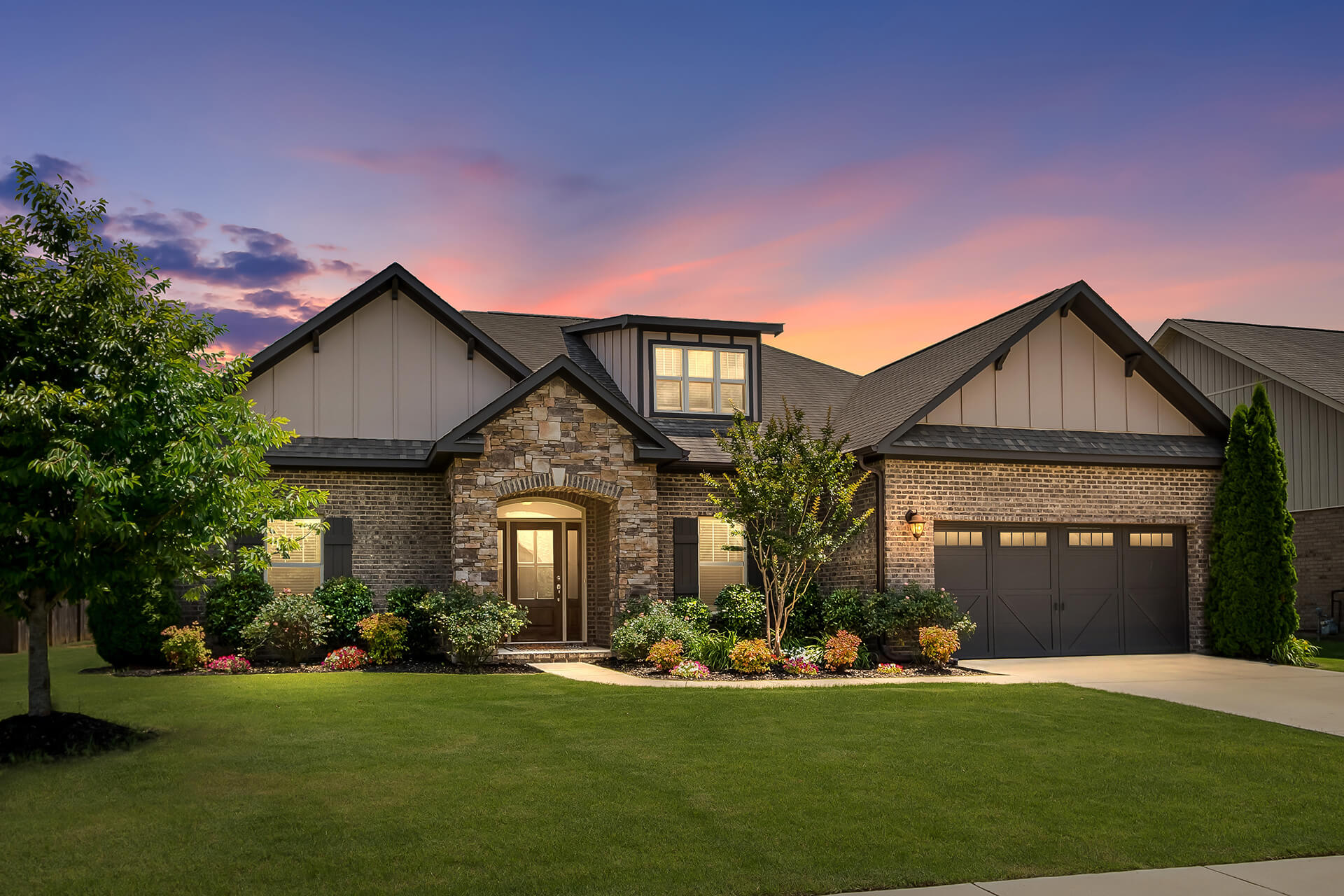
Steps to Successfully Prepare and Price Your Cranberry Township Home for Maximum Sale Value
Getting top dollar for your home in Cranberry Township isn't about luck or hoping for the right buyer to come along. It's about systematically positioning your property to compete effectively against what buyers are actually considering. This strategic approach focuses on eliminating buyer hesitation while creating genuine urgency through smart preparation, accurate pricing, and strategic timing.
Step 1: Build Your True Competition Set
Start by identifying the 6-12 properties that buyers would genuinely cross-shop with your home. This isn't about finding homes with the same number of bedrooms and bathrooms – it's about understanding what buyers will actually compare when making their decision. Focus on recent sales and current active listings within Cranberry Township that share similar characteristics with your property.
Match your school district and neighborhood pocket as closely as possible, since buyers often filter their searches by these criteria first. Keep your size range tight, staying within 15-20% of your home's living area, and pay attention to lot characteristics that buyers notice immediately. A home on a quiet cul-de-sac appeals to different buyers than one on a busy through street, even if the square footage is identical.
Once you've gathered your competition set, organize these properties into three distinct categories that reflect how buyers mentally sort their options:
- Move-in-ready homes that feel updated, finished, and present minimal risk to buyers
- Average or dated properties that are livable but clearly need updating
- Project homes with unfinished areas, old systems, heavy cosmetic needs, or deferred maintenance
Your goal is to honestly assess which category buyers will place your home in during their first impression, because this initial categorization heavily influences their price expectations and negotiation approach.
Step 2: Score Your Home Using Value Signals
Create a simple one-page scorecard that objectively measures the factors buyers care about most. Rate each category from 0-2 points, with a total possible score of 10 points. This systematic approach removes emotion from your assessment and helps you see your property through buyers' eyes.
Rate your systems age by looking at your roof, HVAC age, water heater, and windows. Give yourself 2 points if these are newer or well-documented, 1 point for mixed ages, and 0 points if they're near end-of-life. For your home's era and renovation status, score 2 points if it reads as current, 1 point if partially updated, and 0 points if it has a clearly older feel. Your basement gets 2 points if fully finished and cohesive, 1 point if semi-finished, and 0 points if unfinished or only partially complete.
Evaluate your cosmetic finish level across paint, floors, lighting, and kitchen/bathrooms. Score 2 points for consistent and modern finishes, 1 point for mixed quality, and 0 points for dated elements. Finally, assess your lot and setting for privacy, usability, noise levels, and curb appeal – 2 points for premium feel, 1 point for neutral, and 0 points for challenged conditions.
Document specific details as you score each area:
- Record approximate ages for major systems (like "HVAC 2008, roof 2012, water heater 2015")
- List specific "buyer friction" items such as brown fixtures, worn carpet, heavy wallpaper, old brass hardware, or dark rooms
- Compare your total score to your top-performing sold comparables to identify what's driving any value gap
Step 3: Choose Your Strategic Path
Use your scorecard results to select one primary strategy path, avoiding the costly mistake of trying to do everything at once. Your score reveals which approach will deliver the highest return on your investment of time and money.
If your systems score is low (0-1 points), decide whether to replace aging components, offer credits to buyers, or price your home to reflect these concerns. A low basement score (0 points) means you need to determine if partial finishing or strategic staging can reposition your home, or if your pricing must reflect its "project" status. When your cosmetics score is low (0-1 points), prioritize quick perception upgrades since these typically offer the highest return on investment.
If your lot score is high (2 points), plan to feature this advantage aggressively in your photos, showings, and listing description – but don't let this premium feature tempt you to overprice beyond what your interior reality supports. Consider seasonality factors as well. If timing is working against you, tighten your preparation timeline and explore coming soon marketing strategies or plan your launch window more carefully.
The key is focusing your efforts where they'll make the biggest impact rather than spreading your budget thin across multiple areas that may not move the needle significantly.
Step 4: Address Systems and Documentation First
Start by creating a comprehensive systems list that builds buyer confidence and reduces their perceived risk. Gather information about your roof age along with any receipts or warranty documentation. Document your HVAC age and service records, scheduling a pre-listing service if needed. Note your water heater age and any upgrades to windows, doors, electrical, or plumbing systems.
For each major system, decide on the right approach based on its condition and your budget. Replace items that are clearly at end-of-life and will dominate inspection negotiations or appraisal concerns. For functional systems that just need confidence-building, service them professionally and document the maintenance. If replacement isn't financially feasible, work with your agent to develop a pre-negotiated pricing strategy or planned credit approach.
Reduce the likelihood of inspection renegotiation by handling obvious safety and maintenance issues now. Fix leaks, install missing GFCI outlets, secure loose railings, replace cracked window panes, and address any damp basement odors. These relatively small investments prevent buyers from questioning what other problems might be lurking beneath the surface.
Document everything clearly and organize this information into a packet that your agent can share with serious buyers. This transparency signals that you've maintained your home properly and helps buyers feel confident about their purchase decision.
Step 5: Meet the Finished Basement Expectation
Determine how critical a finished basement is within your specific competition set by analyzing what percentage of your top comparables offer this feature. If 70% or more of your best comps have finished basements, buyers will likely discount your home's value if yours remains unfinished.
Consider three approaches based on your budget and timeline constraints. A full finish makes sense when local return on investment supports it – this means cohesive flooring, proper lighting, clean drywall or ceiling solution, and a clear purpose like a family room, office, or gym space. For a faster approach, execute a partial perception finish by deep cleaning the space, installing bright lighting, applying consistent paint color, and removing clutter.
Define clear zones within the basement using rugs and furniture to show usable space for storage, workout, or play areas. This helps buyers visualize the basement as functional space rather than a construction site. If finishing doesn't make financial sense, acknowledge this reality in your pricing and messaging rather than pretending the space is "almost finished."
Avoid common basement deal-killers that immediately signal problems to buyers:
- Musty basement smells that suggest moisture issues
- Visible water stains or moisture damage
- Poor lighting that makes the space feel unwelcoming
- Exposed wiring or unfinished mechanical areas
- Chaotic storage that prevents buyers from seeing the space's potential
Step 6: Execute High-Impact Cosmetic Updates
Focus your cosmetic improvements on changes that show up in listing photos and make an impression during the first three minutes of a showing. These initial moments heavily influence how buyers categorize your home and set their price expectations.
Start with lighting improvements by replacing dated fixtures, using consistent bulb temperature throughout your home, and brightening any dark rooms. Fresh paint can neutralize bold colors and cover scuffs or worn trim – this single improvement often delivers the highest visual impact per dollar spent. Update cabinet pulls, faucets (if severely dated), and switch plates for an immediate modernization effect. Address flooring by refinishing hardwood if needed, replacing heavily worn carpet, and deep cleaning grout in tiled areas.
For kitchen refreshes without full remodeling, consider painting or professionally refinishing cabinets if they're dated but structurally solid. A modern backsplash or updated countertops can eliminate obvious "era stamps" that date your home. In bathrooms, new mirrors and lighting, fresh caulk, and updated accessories can create a surprisingly fresh feel without major renovation costs.
Create consistency throughout your home by avoiding the trap of perfectly updating one room while leaving adjacent spaces obviously dated. Buyers penalize these mixed signals because they suggest incomplete work or question what other updates might be needed. Set a spending cap by tying each cosmetic choice back to what your best comparables already offer – aim to match their tier rather than exceed it.
Step 7: Professional Preparation and Presentation
Declutter strategically to reduce any "project" cues that might concern buyers. Clear countertops completely, remove excess furniture to open walking paths, and simplify closets since buyers read available storage space as added value. Pay special attention to flex spaces by staging them for clear function – create an obvious office area if you have a den or loft, and show your basement as a finished lifestyle zone rather than storage-first space.
Address the sensory checklist that buyers notice subconsciously but rarely mention directly. Ensure neutral scents throughout the home, maintain comfortable temperature during showings, eliminate any pet evidence, and keep entry areas and high-touch surfaces spotlessly clean. These details contribute to the overall impression of a well-maintained, move-in-ready home.
Plan your photography timing carefully, scheduling photos only after completing lighting upgrades, paint touch-ups, and exterior landscaping clean-up. Create a specific photo day checklist that includes turning on all lights, adjusting blinds consistently, moving cars out of the driveway, and hiding trash bins or other visual distractions.
Professional presentation creates the leverage you need during negotiations by positioning your home as the obvious choice among comparable options.
Step 8: Price Using Tier Positioning Strategy
Determine your home's realistic pricing tier based on your scorecard results and competition analysis. If you score similarly to move-in-ready comparables, price within that band. If your home falls into the average or dated category, resist the temptation to anchor your price to the top sales – instead, price according to what buyers will actually choose when comparing their options.
Build a pricing guardrail by asking yourself this critical question: "At this price point, what would a buyer purchase instead within Cranberry Township?" If those alternatives are newer, more finished, or recently updated, your pricing is likely too aggressive. Remember that buyers have access to the same listing information you do, and they'll make direct comparisons during their decision process.
Consider a launch strategy that encourages competition among buyers rather than one that limits your potential audience. This often means pricing to attract the widest pool of qualified buyers, which frequently becomes the catalyst for multiple offers. Work with your agent to plan offer-review timing based on local showing patterns – many successful sellers use weekend exposure periods to maximize buyer activity and create urgency.
Your pricing should reflect not just your home's features, but also the competitive landscape and current market conditions in your specific neighborhood tier.
Step 9: Time Your Launch for Maximum Impact
Use seasonality realistically when planning your launch timeline. Winter listings typically see fewer showings but may face less competition, while spring brings more buyers but also more competing inventory. Choose your ideal "readiness date" and work backward to create a preparation schedule that ensures everything is complete before you go live.
Plan your timeline with these phases: three to two weeks before launch, complete repairs, painting, and lighting updates. Two to one week out, finish any flooring work, complete deep cleaning, and handle staging. In the final week, schedule professional photography, finalize listing preparation, and begin pre-marketing activities if your agent recommends this approach.
Avoid the costly mistake of launching before you're truly ready. The first 7-10 days on market often establish your home's perceived value in buyers' minds, and early "project" cues can permanently cap the offers you receive. It's better to delay your launch by a week than to go live with obvious preparation items still incomplete.
Strong first weekend availability and clear communication about showing procedures help create momentum from day one.
Step 10: Negotiate from a Position of Strength
Decide in advance what you want to optimize during negotiations – whether that's highest price, cleanest terms, fastest closing, or rent-back flexibility. Having clear priorities helps you evaluate offers more objectively and respond more strategically.
Use leverage signals to reduce buyer demands and inspection pressure. Consider a pre-listing inspection or create a documentation packet that includes systems information, receipts, and utility cost averages. Clear disclosure of any known issues, along with proof of completed repairs, demonstrates transparency and reduces buyer concerns about hidden problems.
When comparing multiple offers, evaluate them like a professional by looking beyond just the price. Calculate net proceeds after considering any credits or concessions, assess financing strength and appraisal gap coverage, review inspection scope limitations, and compare closing timelines. Strong offers typically include competitive pricing plus favorable terms that reduce your risk and hassle.
Keep "project" language out of all conversations and marketing materials. Your preparation and documentation should consistently communicate that your home is well-cared-for and predictable, positioning you to negotiate from strength rather than defending against buyer concerns.
Final Thoughts
Selling your Cranberry Township home for maximum value isn't about hoping the right buyer shows up - it's about creating a strategic advantage that makes your property the obvious choice. The difference between homes that sell quickly at full price and those that linger on the market often comes down to preparation decisions made weeks before the first showing. When you systematically address buyer concerns, position your home in the right competitive tier, and price according to market reality rather than wishful thinking, you transform from a hopeful seller into a confident negotiator. The buyers are out there, and they're ready to pay premium prices for homes that feel like smart, low-risk decisions. Your job is to make sure your property delivers exactly that confidence from the moment they walk through the door.